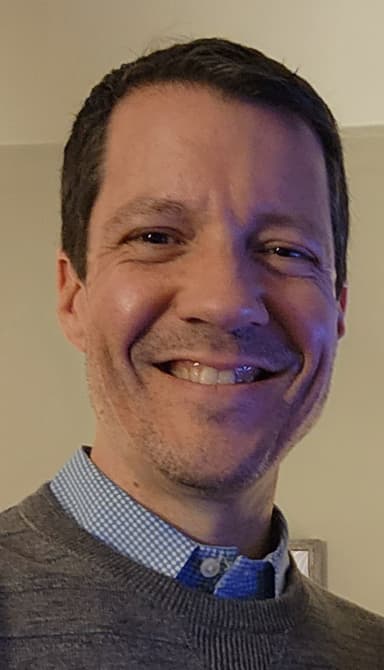
Gregory Lebed
I've been teaching K-8 for over twenty years. In that time I've sat through more IEP meetings, written more parent emails, and filled out more behavior logs than I can count. And for most of that time, I did it the hard way: sticky notes, spreadsheets, mental gymnastics at the end of a long day trying to remember what happened with which student.
I'm also a Registered Behavior Technician (RBT). That training changed how I see behavior. Not as something to punish, but as communication. It made me a better teacher, but it also made me more aware of how much data we lose when documentation is slow or painful. If logging a note takes two minutes, you stop doing it. And when you stop doing it, you lose the pattern. You lose the story.
I built ShortHand because I couldn't find a tool that worked the way a real classroom works. Every app I tried was either built for administrators or designed by people who hadn't been in front of 25 third-graders on a Tuesday afternoon. I needed something I could actually use while also teaching: fast, quiet, one-handed.
So I built it myself. ShortHand is the tool I wish I'd had twenty years ago. I'm still a full-time teacher. I still use it every day. Every feature in this app came from a real problem I or another teacher actually faced.
“I didn't build this app to give you more work. I built it because I was tired of drowning in paperwork while trying to keep my head above water.”
Why my perspective matters
There's no shortage of ed-tech apps built by people who used to teach, or who talked to teachers, or who read research about teachers. ShortHand is different because I'm still in the classroom. When I ship a feature, I test it the next morning with my actual students. When something doesn't work in the real world, I feel it immediately and fix it.
That's the only way I know how to build something worth using. I also run Simple Teacher AI, where I write about practical ways classroom teachers can use AI without the hype or the jargon.