The Ultimate Parent Phone Call Script for Teachers
How to survive the dread, make the call, and actually get results.
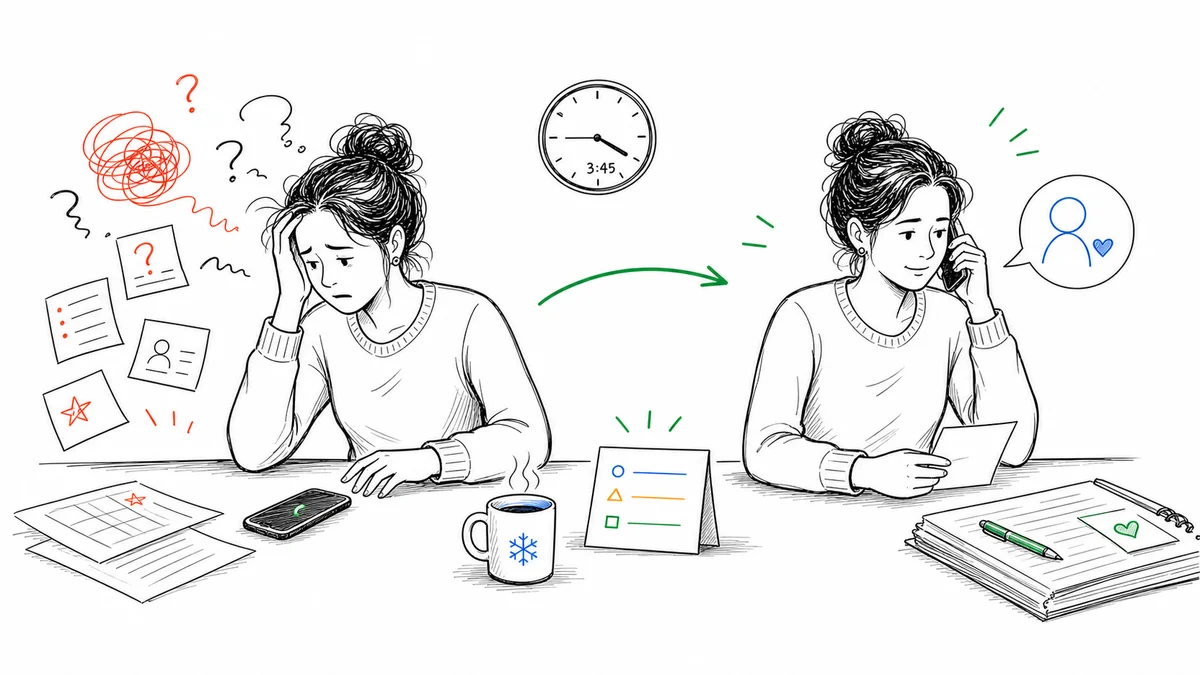
It is 3:45 PM. You are exhausted. Your coffee is a cold memory.
The classroom is finally quiet. The dismissal buses have pulled away. You look at your to-do list and there it is. The dreaded task. You have to call a parent.
I teach third grade, and I have worked in education for over twenty years. I'm also a former Registered Behavior Technician (RBT). You would think picking up the phone gets easier. It does not. The anxiety is still there. My stomach still does that little flip when the phone starts to ring.
We dread these calls because they are unpredictable. We do not know who is going to answer. We do not know what kind of day they are having. They might be at work. They might be stressed out about bills. They might immediately think we are attacking their child.
That unpredictability is exactly why you need a parent phone call script. You cannot control their reaction. You can only control your words. Having the words written down in front of you changes everything. It takes the emotion out of the moment. It keeps you focused on the facts. It gives you a roadmap when the conversation starts to drift into tricky territory.
Positive Calls Versus Behavior Calls
There are generally two reasons we pick up the phone. A positive phone call home and a behavior phone call to parents.
We do not make nearly enough positive calls. It is just human nature in this job. We are trying to put out fires all day long. When a kid is doing exactly what they are supposed to do, we mentally check a box and move on to the child who is throwing crayons across the room.
If you want to make your life infinitely easier, make the positive calls early in the year. Bank that goodwill. When you call a parent in September just to say their kid is awesome, they remember it in November when you have to call because their kid threw a shoe at the whiteboard.
I try to make at least two positive calls a week. It does not always happen. Some weeks I am just trying to survive until Friday. When I do make them, it changes the entire dynamic with that family. They stop seeing my name on Caller ID as a threat. They start seeing me as a partner.
The Script for a Positive Call
A positive phone call home script should be brief. Parents are busy. You are busy. Get to the point quickly so they know nobody is in trouble.
Hi Mr. Johnson. This is Greg Lebed, Leo's third-grade teacher. Leo is not in trouble at all. I am actually calling with some great news.
Pause here. Let them exhale. You can usually hear the relief over the line. I always imagine them slowly lowering their car keys back onto the counter.
I just wanted to let you know how incredibly proud I am of Leo today. We were doing a tough math lesson on fractions. It was frustrating for a lot of the kids. Leo noticed the student next to him was struggling. He quietly leaned over and explained it in a way I had not thought of.
Wait for their reaction. They will be thrilled.
He showed so much kindness and leadership today. You are raising a really good kid. I just wanted to make sure you heard about it before the weekend. Have a great night.
That is it. You are off the phone in under three minutes. You just made their entire week. You also just bought yourself an ally if Leo ever decides to test the boundaries later on.
The Script for a Behavior Call
Now for the hard one. The behavior phone call to parents. This is where the anxiety spikes. This is where we tend to overexplain. We ramble. We apologize for calling. Do not apologize. You are doing your job.
I always look for the rule of three. If an issue happens three times in a single week, it is a pattern. A one-off bad day usually just needs a quick conversation in the classroom. A pattern is entirely different. When a pattern emerges, we have to make the call.
I avoid the compliment sandwich. When a parent hears "she is so creative BUT she hit someone today," their brain locks onto the but and stops listening. Just be honest and direct. We are all adults.
Hi Ms. Davis. This is Greg Lebed, Sarah's teacher. Do you have a quick minute to talk about Sarah?
Wait for them to confirm. If they say they are driving or at work, ask for a better time. Do not force the conversation right now. You want their full attention.
I am calling because I need your help. Sarah is a great kid and I love having her in class. Lately, we have hit a bit of a roadblock. For the last three days, Sarah has been refusing to do her independent reading work. When I ask her to start, she tears up the paper.
Stick only to the observable facts. No opinions. Do not say Sarah is being defiant. Do not say Sarah is lazy. Say exactly what Sarah did.
I wanted to check in with you to see if everything is okay at home. Have you noticed anything similar?
This is the most important part of the script. You are asking for their expertise. You are placing them on your team. You are not handing down a verdict. You are starting a dialogue.
From here, listen to what they say. Validate their feelings. Agree on one simple step you will both take moving forward. Then thank them for their time.
When They Get Defensive
Even with the best script, some parents will immediately get defensive. It happens. It is rarely actually about you. Sometimes they are embarrassed. Sometimes they had a terrible experience with school when they were kids and your call is bringing up old memories.
If they start to raise their voice, your job is to lower yours. Keep your tone absolutely even. Sometimes I literally hold my hand up in the air in my empty classroom like a stop sign. It physically reminds me to let them get it all out.
If they accuse you of picking on their child, lean back on your data. This is why observable facts are so critical.
I hear what you are saying. I want to figure out exactly what is happening so we can fix it together. I am looking at my notes right now. On Tuesday at ten in the morning, she tore the paper. On Wednesday at the same time, she tore the paper. Can we figure out together why this is happening?
Do not argue. If the conversation becomes completely unproductive or aggressive, you have the right to end it.
I want to make sure we are both on the same page. It sounds like we might need to sit down together to figure this out. Let us schedule a time to meet next week with the counselor so we can get Sarah the best support possible. I will email you some times tomorrow.
You are the professional in the room. Even when the room is a phone call. I have had parents repeatedly question how I graded spelling assessments, enough that I would get nervous when I had to mark their child's tests.
Document Everything Immediately
The moment you hang up the phone, your job is not over. You have to document the call.
If it is not written down, it did not happen. That is the golden rule of teaching.
You need a solid parent phone call log for teachers. I used to use sticky notes. They would end up attached to the bottom of my shoe. Then I moved to a giant binder. It was heavy and annoying to lug around to meetings.
When you have a parent meeting three months from now, you will not remember what was said on this Tuesday afternoon phone call. The parent might remember it very differently than you do. You need an exact record. Date, time, who you spoke to, and a quick summary of the agreed next steps.
Do this while the adrenaline is still fading. Do not wait until tomorrow morning. By tomorrow morning, you will have graded thirty math tests, tied four pairs of shoes, and broken up an argument over a blue dry erase marker. The details of the call will be gone.
ShortHand lets you log the call in about ten seconds while you are still at your desk: date, who you spoke to, what was agreed, tied to each student automatically. Try it free at getshorthandapp.com.
Related reading: What to Say When You Call a Parent About Behavior | Free Parent Communication Log for Teachers
Part of The Teacher's Complete Guide to Parent Communication.
Stop trying to remember everything.
Try ShortHand Free →